
5 Common Causes of Tooth Discoloration
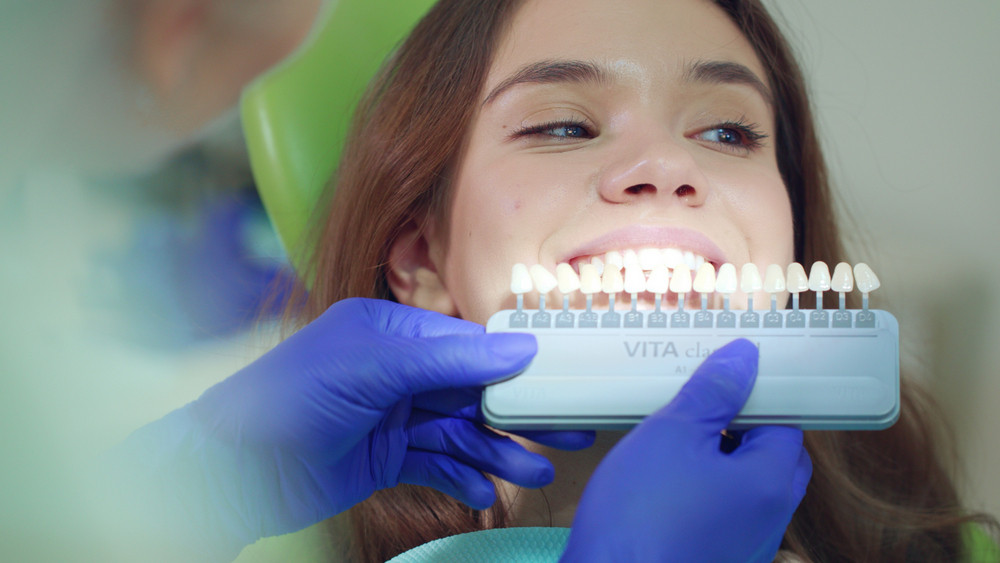
Tooth discoloration is a prevalent concern that affects individuals of all ages. Over time, a variety of factors can cause teeth to lose their bright, white appearance and take on a yellow, brown, or gray hue. Understanding the common causes of tooth discoloration can help in both prevention and knowing when to seek teeth whitening treatment. Here, we’ll explore five of the most common culprits and discuss why maintaining your teeth’s natural whiteness is not just about aesthetics but also about oral health.
1. Food and Beverages
The types of food and beverages we consume can have a significant impact on the color of our teeth. Coffee, tea, and red wine are notorious for their staining properties. These beverages contain chromogens, which are pigment-producing substances that adhere to your enamel. Similarly, foods with artificial coloring, like certain candies, can also cause staining if consumed frequently. Being mindful of intake can help manage discoloration, while teeth whitening treatments can help restore a brighter smile.
2. Smoking and Tobacco
Smoking and tobacco use are among the leading causes of stained teeth. The nicotine and tar present in tobacco can cause teeth to turn yellow in a relatively short amount of time. Over the long term, this discoloration can penetrate deeper layers of the tooth, making it more difficult to treat. As awareness around tooth whitening grows, the value of the global teeth whitening market is expected to reach $10.6 billion by the year 2030, according to Yahoo Finance. This shows a growing concern among individuals regarding their dental hygiene and aesthetics, often driven by the need to combat tobacco-related discoloration.
3. Age and Health Factors
Age and health-related factors also play a role in tooth discoloration. As we age, the enamel on our teeth tends to wear down, revealing the dentin beneath, which is naturally yellow. Certain medical conditions or treatments, such as chemotherapy or radiation, can also alter the color of teeth. Even some medications are known for causing tooth discoloration in children whose teeth are still developing.
4. Poor Dental Hygiene
Poor dental hygiene is another primary, yet entirely preventable, cause of tooth discoloration. When brushing and flossing are neglected, plaque, a sticky film of bacteria, accumulates on the surfaces of the teeth. Over time, this plaque can harden into a rough, porous substance known as tartar or calculus. Tartar not only has a naturally yellow or brown appearance, but its porous texture also makes it far easier for food particles and beverage stains to latch onto.
5. Environmental and Developmental Factors
Environmental and developmental factors, specifically excessive fluoride exposure, can also lead to a distinct type of staining known as fluorosis. While fluoride is essential for strengthening enamel and preventing cavities, consuming too much of it during the critical years of tooth development can have the opposite effect. This often happens if children swallow fluoride toothpaste or regularly drink water with high fluoride levels, resulting in faint white streaks, or in more severe cases, dark brown spots and a pitted texture on the tooth surface.
While tooth discoloration is a common issue, understanding its causes allows individuals to make informed decisions about prevention and treatment. With the growing availability of teeth whitening solutions, more people are joining the aim to brighten their smiles and improve their overall dental health. Contact Double Oak Mountain Family Dentistry today to schedule your teeth whitening appointment.

